
Lemon Peel: From Kitchen Waste to a Promising Source of Natural Bioactive Compounds
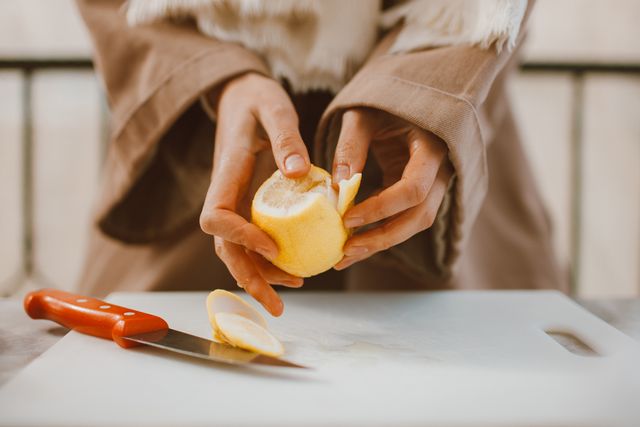
New research is drawing attention to lemon peel as a valuable source of antioxidants, essential oils and other natural compounds with potential applications in nutrition, skincare and sustainable product development.
New research is changing the way lemon peel is viewed, highlighting the citrus rind as more than just kitchen waste. Packed with naturally occurring compounds such as polyphenols, flavonoids, essential oils, vitamin C and dietary fibre, lemon peel is attracting growing interest from researchers and the food, wellness and cosmetics sectors.
Studies have found that citrus peels contain significant amounts of bioactive compounds, including hesperidin, naringin and other phenolic substances known for their antioxidant properties. These compounds have been investigated for their potential role in protecting cells from oxidative stress and supporting wider metabolic health.
Growing Interest in Lemon Peel for Skincare
The cosmetic potential of lemon peel is also receiving greater attention. A 2026 study published in Analyst investigated extracts obtained from lemon-peel waste and found antioxidant and antimicrobial activity, along with promising effects related to collagenase, elastase, melanogenesis and acne-associated bacteria. Preliminary clinical observations also reported improvements in skin hydration, softness and elasticity.
Such findings suggest that lemon peel could eventually become a useful source of naturally derived ingredients for carefully formulated cosmetic products.
However, researchers stress an important distinction: the potential benefits of a processed lemon-peel extract should not be confused with applying raw lemon juice or peel directly to the skin.
Why Raw Lemon Peel Can Be Risky
Lemon and other citrus fruits contain photosensitising compounds known as furocoumarins. When these substances come into contact with skin followed by exposure to ultraviolet light, they can trigger phytophotodermatitis, causing redness, burning, blistering or persistent pigmentation. Dermatological references specifically identify lemon peel as a potential irritant and a source of phototoxic reactions.
This makes DIY applications of fresh lemon juice or concentrated peel particularly unsuitable for facial skincare.
Turning Food Waste into Value
The growing research around lemon peel also reflects a larger movement towards upcycling food waste. Instead of treating citrus peels simply as discarded material, researchers are exploring ways to recover their valuable compounds and convert them into functional food ingredients, nutraceuticals and cosmetic materials.
The emerging message is simple: lemon peel may have considerable value, but the real opportunity lies in using it safely and scientifically. From adding zest to food to developing professionally formulated skincare ingredients, the humble lemon rind is increasingly being viewed as a resource rather than waste.